
How to prepare for your first business consulting meeting
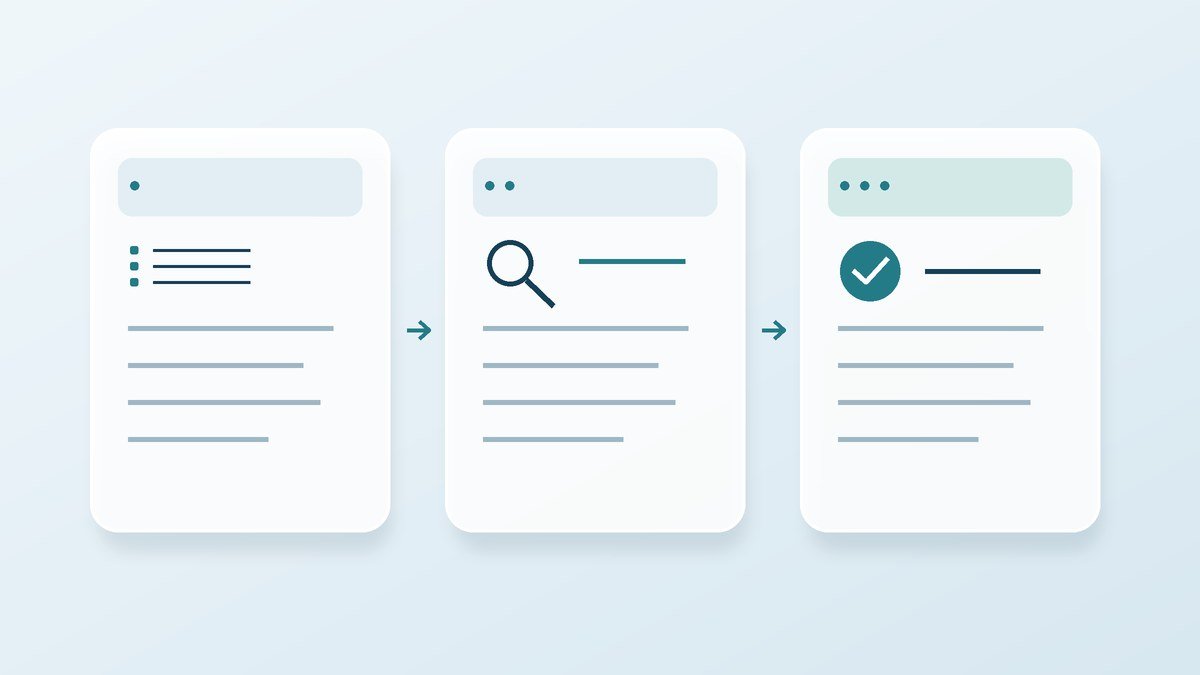
Before your first business consulting meeting, prepare a short description of your business, the problem you want to discuss, one real example and the decision you need to make. If a figure or report is unavailable, say so. The aim is to start from an accurate account of the situation and identify what needs further investigation.
This guide is for owners and managers considering a change to sales, brand positioning, customer communication or day-to-day execution. The optional brief at the end lets you write and download your own notes.
On this page8 sections
Start with a question you can investigate
“I want the business to grow” gives a direction. Make the starting question more specific: “Why do suitable enquiries stop progressing after we send a proposal?” or “Why do customers misunderstand what our service includes?” Note when the situation began and why it matters now.
If you have several concerns, list them and choose one starting point. They may turn out to be connected, but that connection still needs evidence.
Separate observations, interpretations and unknowns
Write three lines: what you have observed, what you think explains it and what you do not know. “Several proposals have received no reply” is an observation. “Our price is too high” is a possible explanation. “We do not know whether the customer read the proposal” is an unknown.
This distinction helps you choose the next question. The offer, response time or suitability of the enquiry might need a closer look. Avoid treating an initial explanation as an established cause.
Match the information to the question
- For sales: recent enquiries, proposal dates, follow-up status and reasons for rejection where these were actually recorded.
- For personal branding: your current introduction, intended audience, examples of relevant and irrelevant enquiries, and work you have permission to share.
- For execution: one completed task and one delayed task, their steps, the person responsible at each stage and where a decision was needed.
Give each figure a source and a time period. If two reports define an “enquiry” differently, flag the difference. Missing data is part of the picture: label it “not recorded” and discuss how it could be collected.
Remove or anonymise customer details in an initial message. Explaining a problem usually does not require account passwords, a full customer database or administrator access. Agree separately on how any necessary information will be shared.
Explain previous attempts and practical constraints
If you have run advertisements, rewritten your profile or bought a new tool, explain what was implemented and what you observed afterwards. Saying “we tried that” leaves an important question unanswered: was the approach unsuitable, or was the test incomplete?
Describe the time your team can contribute and decisions that require another person’s approval. If a budget has not been agreed, explain who will decide and what they need to know. These details help align a proposal with the conditions under which it would be implemented.
A worked example of a short brief
Illustrative scenario, not a client case or a claimed result from my work. Imagine an equipment supplier reviewing how it follows up sales proposals:
- Situation: customers make enquiries, but some proposals receive no reply.
- Evidence: enquiry and proposal dates are recorded; not all reasons for stalled enquiries are known.
- Initial interpretation: the delay before sending a proposal may be too long.
- Unknowns: did the customer see the proposal, and were stock availability and order terms clear?
- Constraint: the team cannot replace its software at present.
- Decision: what should be recorded, and which stage should be investigated first?
The brief makes a discussion possible without claiming to have diagnosed the cause. For an example of how stock visibility and supply requests can be presented, see Prolab. A platform’s features alone are not evidence of increased sales.
Agree on what happens after the meeting
Record the current understanding of the problem, the missing information and the next action. Clarify who will follow up, what output is expected and which questions about fees, timing and scope still need agreement. The next step could be a limited review, data collection or a change handled by your own team.
If the main issue is how your expertise and credibility are communicated, the guide to choosing a personal branding consultant offers more specific comparison criteria and questions.
Questions before the first meeting
Can we begin without organised reports?
Yes. Start with a real example and explain what has not been recorded. Expectations for detailed numerical analysis need to reflect the information available.
Do we need a long presentation?
A readable summary and a few relevant examples are usually enough for an introduction. For a specialist meeting, agree in advance on any specific documents required.
Should the first meeting produce the final solution?
Some problems need further investigation. A clearer question, a list of unknowns and an agreed next step can be useful outcomes. A firm conclusion needs evidence.
Prepare your problem brief
Use this optional note to clarify what you want to discuss. Write ‘not yet known’ wherever you do not have an answer.
What do you do, and who do you help?
What has happened, and since when?
A real situation, a time period and the source of any figures, without customers’ personal information.
What did you change, and what happened afterwards?
Time, team capacity and who can make decisions or follow up.
What do you want to be better able to decide after the conversation?
This tool does not send or save your text on the website. Download your note before leaving the page. You decide whether to share it when you get in touch.
Read how I work with businesses and teams to understand the possible scope of an engagement. When you are ready, use the contact page to start a conversation.